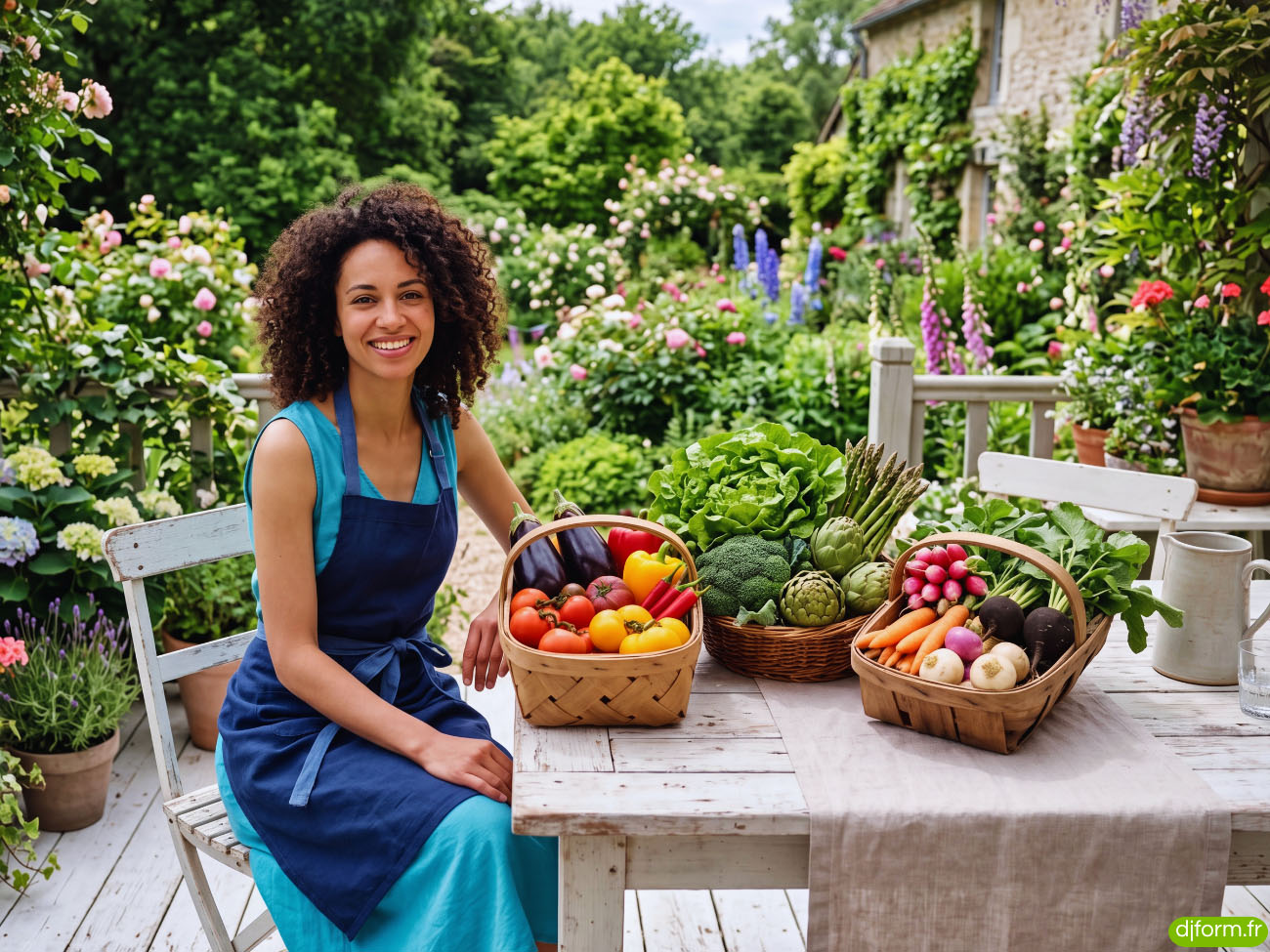
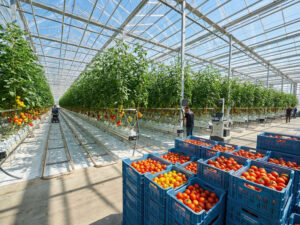

For more than ten millennia, the vegetables we eat have been the result of a long history of selective breeding and hybridization that began when humans settled down. Over time, the industrial and modern eras profoundly transformed those wild plants into the vegetables we know today. In the push to make them larger, sweeter, less bitter, and above all higher-yielding, their nutritional richness was often sacrificed. Yet despite these changes, vegetables remain an essential pillar of the human diet.
Today, eating habits increasingly favor grains, starches, and fruit, contributing to diets higher in sugars and carbohydrates. This trend often pushes vegetables into the background, even though they are packed with essential nutrients, vitamins, and minerals without the drawbacks of sugar. However, their quality varies considerably: intensively farmed modern varieties, whether grown conventionally or organically, often have lower nutritional value and carry a heavy environmental cost.
In response to this reality, diversified market-gardening models inspired by traditional practices are coming back to life. These approaches encourage local, seasonal production, offering heirloom vegetable varieties that are more flavorful, more nutritious, and gentler on the Earth. The best way to rediscover this diversity is to buy directly from growers, at farmers’ markets, or through food co-ops, avoiding the standardized vegetables sold in big-box supermarkets. Each season brings its own variety of vegetables that can be prepared however you like: raw or in salads, steamed or sautéed, in soups or velvety purées.