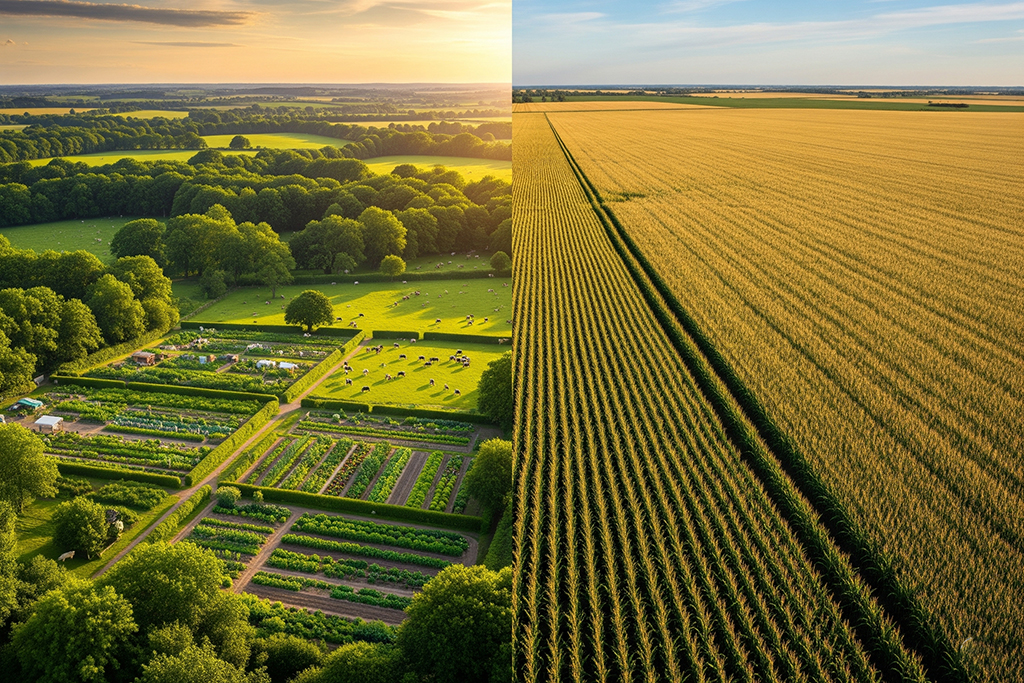
Organic food and conventional food differ primarily in how crops and livestock are produced and how the food is processed.
Organic farming and livestock:
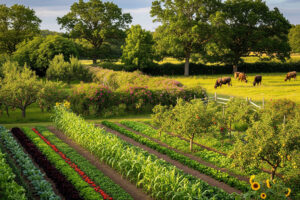
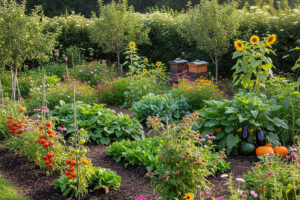
Organic food is produced without synthetic pesticides, chemical fertilizers, genetically modified organisms (GMOs), or other synthetic chemicals. It also favors farming methods that respect the environment and animals, such as crop rotation, organic fertilization, biological pest control, and free-range grazing for livestock. Organic foods are also subject to strict certification standards to guarantee their quality and authenticity.
So, organic or not? Quality differences at every level…
In terms of nutritional quality, studies suggest that organically grown foods can contain higher levels of certain nutrients, such as antioxidants, vitamins, and minerals, whereas conventional foods may contain pesticide residues and other synthetic chemical substances. Nutritional differences between organic and conventional plants appear to vary depending on several factors, such as the plant variety, stage of ripeness, specific agricultural practices, and growing and storage conditions. One certainty is that organic growing conditions (absence of synthetic chemical inputs, crop rotation, outdoor grazing, etc.) tend to enrich soil life, biodiversity, and organic matter.
While growing conditions clearly impact food quality and levels of contaminants such as pesticide residues, it is nonetheless important to note that environmental exposure to pollutants is global, making it difficult to avoid them completely, even in organic farming. Obviously, however, contaminant levels will be far lower there!
Conventional farming and livestock:
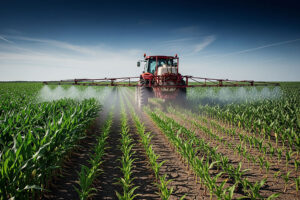
Conventional food production often relies on pesticides, chemical fertilizers, and GMOs to maximize yield and profitability. It also uses intensive farming and livestock practices, such as animal confinement and monoculture, which can have harmful consequences for the environment and animal welfare. Conventional foods are not subject to the same certification standards as organic foods.