Grain Quality: A Major Nutritional, Ecological, and Health Issue
In the modern diet of industrialized countries, grains are everywhere. They are found in most processed meals, in both sweet and savory foods, in fast food and junk food, and even in many products considered healthy.
In the form of flour, semolina, rolled flakes, starch, syrup, or puffed grains, they are ubiquitous in our everyday diet.
Yet not all grains are created equal. There are vast differences in quality, with far-reaching consequences not only for our health, but also for the environment. As industrial food production has intensified to feed an ever-growing human population, grain farming has become a massive economic enterprise. But at what cost?
Varieties Bred for Economics, Not Nutrition
The grain varieties grown today are no longer those of the past. To meet the demands of higher yields, longer shelf life, and industrial processing, grains have been selectively bred and modified over time. The goal: produce more, faster, at lower cost, with traits tailored to industrial food manufacturing (volume, texture, elasticity, taste…).
Modern wheat, for example, has been heavily transformed to produce bread that is ever fluffier, airier, easier to slice, and visually appealing. Yet this transformation has come at the expense of its nutritional value. Heritage varieties, often richer in nutrients and lower in fast-digesting carbohydrates, have gradually been phased out. As a result, we now eat grains that drive blood sugar spikes, weight gain, chronic inflammation, and other metabolic disorders.
Products made from these modern varieties have become intensely palatable and addictive, yet nutritionally depleted: less fiber, fewer micronutrients, and a higher glycemic index. This shift raises critical questions about the link between agricultural choices and human health.
Intensive Production That Destroys Ecosystems
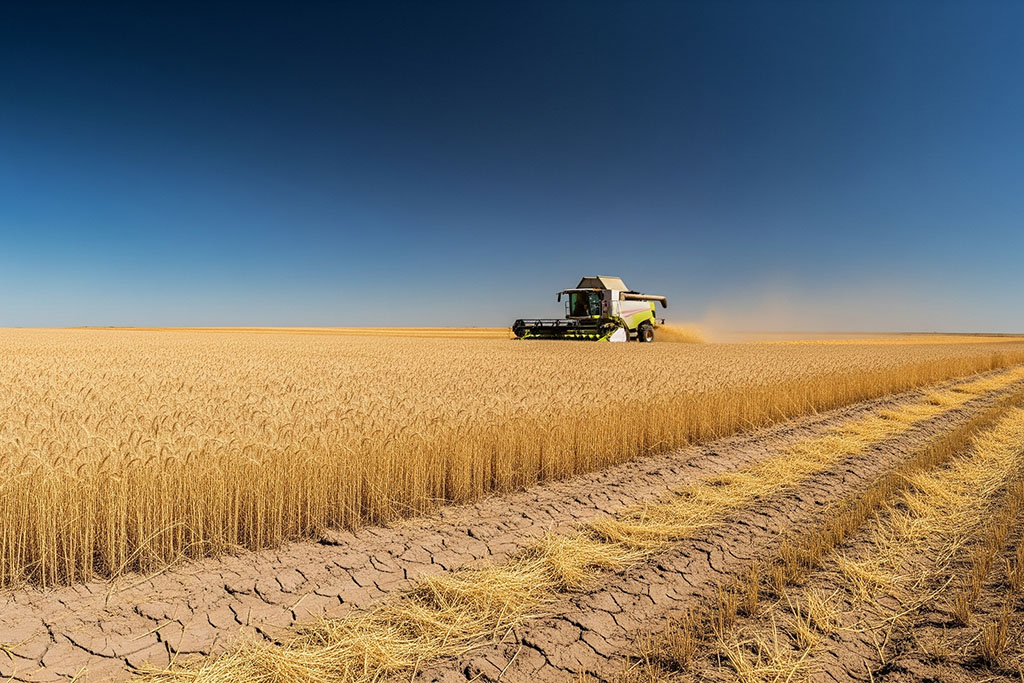
Behind the declining quality of grains also lies an ecological disaster. Modern varieties are not only inferior nutritionally, but also far more fragile agronomically. They require massive amounts of chemical inputs: pesticides, fungicides, herbicides, and nitrogen fertilizers…
Why? Because these standardized varieties are grown as monocultures across thousands of acres, which encourages plant diseases, pests, and ecological imbalances while making crops dependent on chemical treatments. A modern wheat field is a biological desert: no plant diversity, very few insects, virtually no soil life, and little to no birdlife.
By contrast, on the exact same land area, a diversified vegetable farmer can grow dozens or even hundreds of vegetable varieties throughout the year. This type of polyculture enriches the soil rather than depleting it, naturally attracts insects, pollinators, earthworms, and birds, and allows local wildlife and flora to thrive once again.
Permanent pastures grazed by cows, sheep, or horses play a similar role. By sustaining natural cycles, fertilizing the soil with manure, and maintaining continuous ground cover, they strengthen both below-ground and above-ground biodiversity.
The more the human diet revolves around industrial grains grown in intensive monocultures, the more ecosystems become impoverished, fragmented, and destroyed.
Organic Farming: A Healthier Alternative, Though Not Always Virtuous
Eating organic grains seems like an obvious solution to avoid pesticides and chemical inputs. In theory, organic grains are not chemically treated, which reduces exposure to toxic substances known for their harmful effects on human health (endocrine disruptors, neurotoxins, carcinogens…). However, transparency is not always guaranteed, and organic labels are heavily shaped by economic pressures and productivity demands from major agribusinesses.
It is therefore important to remain vigilant: in response to growing demand, an “industrial” organic sector has emerged. Some large-scale organic farms use practices closely resembling conventional agriculture (monocultures, massive imports, heavy mechanization), with a troubling environmental footprint. In theory, an organic label is meant to guarantee the absence of synthetic chemical treatments, but not necessarily a commitment to preserving biodiversity or protecting soil health.
To genuinely improve your health and support sustainable agriculture, if you do not want to give up grains, it is best to choose whole, unrefined grains sourced from small-scale farmers or local organic supply chains that favor heritage varieties. These grains are less processed, richer in fiber, easier to digest, and grown in ways that better respect natural ecosystems.
Refining: A Major Nutritional Loss
One of the biggest issues with industrial grains is their systematic refining. To produce white flour, manufacturers strip away the bran (fiber) and the germ (rich in vitamins and minerals), leaving only the starchy endosperm.
This process drastically strips the grain of its value: less fiber, fewer minerals and B vitamins, turning the food into a fast-acting source of sugar. And this hidden sugar is everywhere in processed foods: white bread, pasta, cookies, pastries, ready-made meals, sauces, breakfast cereals…
Refining grains produces a smoother texture and a more neutral taste, but at the cost of a rapid spike in blood glucose. This effect promotes weight gain, insulin resistance, and type 2 diabetes, fueling the epidemic of metabolic disorders seen across industrialized societies.
Ultra-Processing: A Silent Threat to Health
Finally, one of the most concerning aspects is the extreme processing that many grains undergo. A large share of grain-based products today are classified as “ultra-processed.” These are industrial products loaded with added ingredients (texturizers, flavorings, sweeteners, colorings) and subjected to harsh mechanical and thermal processes.
Extruded grains, such as puffed breakfast cereals or rice cakes, are often cooked at very high temperatures and under high pressure. These processes alter the structure of the food and can generate newly formed compounds (such as acrylamide) that are potentially toxic.
Numerous studies point to these ultra-processed foods for their links to excess weight, diabetes, cardiovascular disease, digestive issues, and even certain cancers.
The more processed a food is, the further removed it is from its natural form, the less it truly nourishes, and the heavier the burden it places on the body.
Conclusion: Choosing Quality Grains as a Nutritional and Ecological Act
In light of these facts, choosing your grains carefully becomes essential. If you do not want to give them up, opting for whole, organic, local heritage grains is a meaningful first step toward a less problematic diet that is also more respectful of the environment.
Turning away from ultra-processed products, bringing foods back in their most whole and unrefined form possible, supporting small farmers, and diversifying with local seasonal vegetables also means taking back control of your health and helping protect ecosystems.
Our everyday food choices hold the power to deeply transform our societies. And sometimes, it starts simply… with a whole food grown in living soil.