• FrançaisFR
  • EnglishEN
  • DeutschDE
DJFORM Information Blog

Type and hit Enter to search

  • Home
  • Our Supplement Courses
    • Seasonal Supplement Courses
      • Spring Supplement Courses
      • Summer Supplement Courses
      • Autumn Supplement Courses
      • Winter Supplement Courses
    • Supplement Courses for Nutritional Deficiencies
  • Nutrition
    • Our Nutritional Principles
    • Processed and Industrial Foods
    • Organic vs. Conventional Food
    • Nutritional Balance
  • Our Brand
    • DJFORM Food Supplements
    • DJFORM Food Supplement Formulas
    • Capsule Quality and Selection
    • Our Story
    • Our Packaging: Ecology & Recycling…
  • Our Reading List
  • DJFORM Shop
  • Contact
Impact écologique et éthique de la consommation des produits laitiers
Dairy Products

Ecological and Ethical Impact of Dairy Consumption

27 August 2025
1 Views
0 Comments

Are Dairy Products Really Eco-Friendly?

Milk plays an essential, yet temporary, role in the lives of mammals. It is meant to nourish newborns during the first weeks or months of their lives. When humans settled down several millennia ago and gradually developed livestock farming, it seemed logical not to waste this nutritious resource, especially during the brief periods of the year when it was most abundant.

Yet was it truly a good idea, both ecologically and nutritionally, to turn milk into a staple food eaten every single day all year round? Was it necessary to produce ever greater quantities, to the point of taking animals out of their natural cycles, altering breeds so they yield more milk, and feeding them grains instead of grass just to boost productivity?

The question is not about being for or against dairy products, but about restoring them to a more modest and occasional role, for ecological, ethical, and health reasons.

The Problem Is Not the Product Itself, but Overconsumption Beyond Our Nutritional Needs

A sustainable diet requires a thorough rethinking of our choices. The excessive consumption of dairy products has played a major role in the rise of intensive livestock farming, which is particularly harmful to the environment. The same holds true for meat. Still, we must avoid sweeping generalizations: it is not eating meat itself that destroys ecosystems, but overconsuming it beyond our actual needs, which forces large-scale industrial production with all the abuses that entails.

Meat from grass-fed animals raised in systems that respect natural cycles is a wholesome, ecologically sound food rich in essential nutrients. Conversely, a plant-based diet, which is far less nutrient-dense, requires a massive expansion in agricultural output, meaning more land, more intensive farming, and an environmental footprint that is often underestimated.

As for meat produced from animals fed soy or grains, it is both less valuable nutritionally and far more damaging to the environment.

Today, the idea that we should cut back on meat consumption is widely promoted.

Although seemingly ethical and appealing, this message rests on a partial and often flawed view of reality. Yes, we need to curb excessive consumption of animal products and choose them carefully so we can finally move away from intensive factory farming, which is unacceptable both ecologically and in terms of animal welfare. However, pushing people to eat too little of them creates the opposite imbalance. It drives a massive surge in large-scale plant agriculture, with environmental consequences that can be even more destructive.

Cutting back on non-essential animal products, such as dairy, is a far more effective lever.

Yet many people who become vegetarian replace meat with higher intakes of dairy products and eggs, which in turn requires intensive grain and soy production…

As for a vegan diet, it enjoys a reputation for sustainability and respect for living beings. In reality, however, it largely accelerates ecosystem destruction: the loss of wildlife, the erosion of native flora, and soil depletion. Deprived of the nutritional density of meat, a strict plant-based diet sharply increases demand for intensive crops, driving monocultures and heavy reliance on chemical fertilizers. Yet only animals, and primarily herbivores, are able to maintain and restore soil fertility over the long term. All of our ecosystems and all life on this planet are built on this animal-plant symbiosis.

At first glance, a plant-based diet may appear more sustainable, virtuous, and ethical than industrial livestock farming. Over the long run, though, it proves less effective at preserving ecological balance than raising grass-fed animals. These animals take their rightful place in natural cycles and partially fulfill the ecological role of wild herbivores, which have largely been wiped out to make way for cropland.

It is also worth remembering that a substantial share of wildlife, including herbivores, insects, rodents, birds, and reptiles, is killed every year to protect plant crops, whether organic or conventional.

Rethinking Our Plates to Restore Ecosystems

Ecological balance depends on coherent dietary choices rooted in respect for living systems.

Less meat, but of higher quality: this certainly does not mean replacing part of our animal protein with plant protein, but rather consuming only the amount of protein our bodies genuinely need, based on specific factors (body weight, age, muscular activity, and so on). The goal is to eat neither more nor less than necessary, prioritizing meat from grass-fed, pasture-raised animals that contribute to soil regeneration and the diversity of natural habitats.

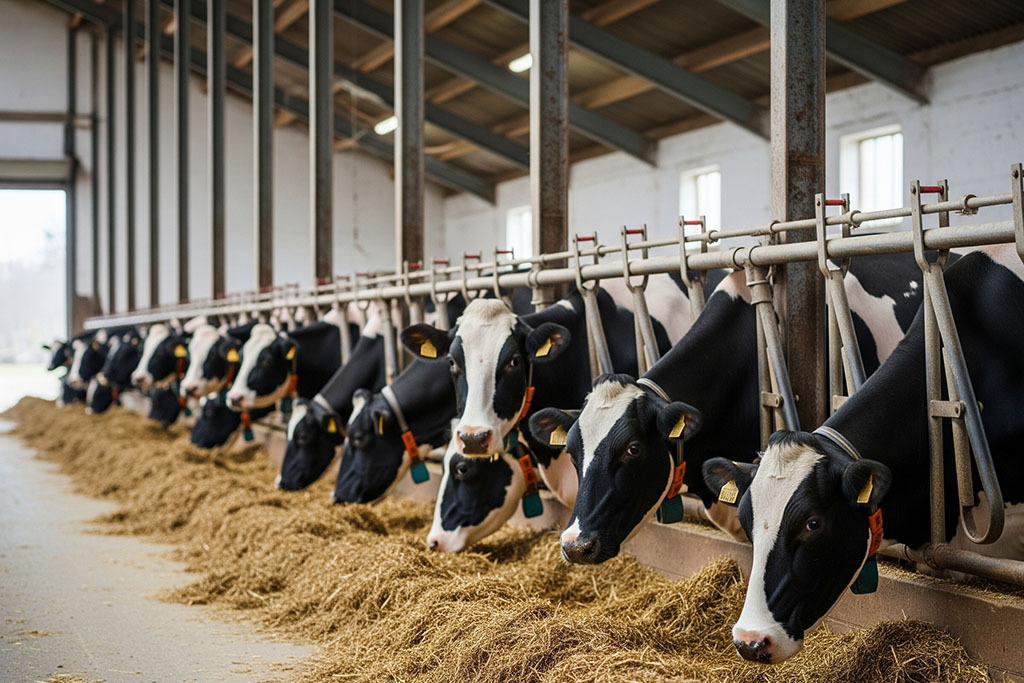
Dairy consumption should be sharply reduced so that it remains occasional. For those who find it hard to give them up, eating less makes it possible to choose higher quality. All industrial dairy products from grain-fed cows, goats, or sheep raised indoors in barns must be avoided. It is essential to choose dairy products anchored in natural cycles.

Let’s move past the misconception that dairy products are essential!

Could humans really be the only mammals that need milk from another species to meet their calcium requirements? The absurdity of this belief is obvious. There are many well-absorbed sources of calcium without the harmful effects of dairy.

Meat alone provides healthy fats and most of the essential nutrients we need. For those who do not wish to follow a carnivore diet, the extraordinary variety of vegetables effectively rounds out nutritional intake while allowing us to reduce or even eliminate grains, legumes, oilseeds, and starchy foods, whose farming methods are devastating to ecosystems.

If you choose to eat fruit, prioritizing berries is preferable, as conventional fruit orchards have a heavy ecological impact on wildlife. This balanced way of eating (built around quality meat, varied vegetables, and berries) supports small-scale market gardeners, who sustain rich biodiversity on small plots of land.

Returning to healthy animal fats (from grass-fed animals raised on pasture) allows us to eliminate omega-6-rich vegetable oils, which are harmful to health. Olive oil alone appears to pose few issues. By contrast, growing oilseed crops such as sunflowers promotes monoculture and depletes soils.

Choosing fatty meats from grass-fed animals, rich in essential nutrients and quality energy, combined with a low-carbohydrate diet rich in diverse vegetables, is a foundational choice for both ecology and health. It is arguably the path most faithful to how ecosystems naturally function, and the only one capable of sustainably supporting both wildlife and plant life.

For All Animal Products, the Ecologically Sound Model of Grass-Fed Farming

In anti-meat propaganda, most studies hostile to animal products are based on excessive consumption of meat and dairy, often processed and of poor quality. These criticisms target both the ecological footprint and the health consequences.

Conversely, to praise the benefits of vegetarian or vegan diets, proponents rely exclusively on the most virtuous production methods, while ignoring the disastrous ecological and health impacts that a widespread shift toward an even more plant-heavy diet would bring.

These biased studies never consider a coherent model of agriculture and livestock farming: a healthy, ecological diet that is low in carbohydrates (grains, legumes, oilseeds, and fruit), low in vegetable oils, moderate in dairy products and in products from grain-fed animals, and balanced in healthy fats and animal proteins from grass-fed animals raised on natural pastures.

Replacing fields of grains, oilseeds, fruit, or legumes with an ecosystem combining diversified market gardening (vegetables and berries) and pastures, while limiting monocultures and grain production as much as possible, would restore soil fertility and bring biodiversity back to life.

Tags:

Dairy Products

More articles

Origine des produits laitiers
Previous

The Origin of Dairy Products

Les produits laitiers et la santé
Next

Dairy Products and Health

Next
Les produits laitiers et la santé
28 August 2025

Dairy Products and Health

Previous
26 August 2025

The Origin of Dairy Products
Origine des produits laitiers

No Comment! Be the first one.

Leave a Reply Cancel reply

Your email address will not be published. Required fields are marked *

DJFORM natural food supplements banner
  • About Us

Copyright © 2026 DJFORM

  • Home
  • Nutrition: Our Advice
    • Nutritional Principles
    • Processed Foods
    • Organic Food
    • Nutritional Balance
  • Seasonal Supplement Courses
    • Spring Supplement Courses
    • Summer Supplement Courses
    • Autumn Supplement Courses
    • Winter Supplement Courses
  • Our Brand
    • DJFORM Supplements
    • DJFORM Formulas
    • DJFORM Quality
    • About Us
    • Our Eco Packaging
  • Our Reading List
  • DJFORM Shop
  • Contact