



• FrançaisFR
  • EnglishEN
  • DeutschDE
DJFORM Information Blog

Type and hit Enter to search

  • Home
  • Our Supplement Courses
    • Seasonal Supplement Courses
      • Spring Supplement Courses
      • Summer Supplement Courses
      • Autumn Supplement Courses
      • Winter Supplement Courses
    • Supplement Courses for Nutritional Deficiencies
  • Nutrition
    • Our Nutritional Principles
    • Processed and Industrial Foods
    • Organic vs. Conventional Food
    • Nutritional Balance
  • Our Brand
    • DJFORM Food Supplements
    • DJFORM Food Supplement Formulas
    • Capsule Quality and Selection
    • Our Story
    • Our Packaging: Ecology & Recycling…
  • Our Reading List
  • DJFORM Shop
  • Contact
Nutritional Balance

Vegetables

4 September 2026
4 Views
0 Comments

For more than ten millennia, the vegetables we eat have been the result of a long history of selective breeding and hybridization that began when humans settled down. Over time, the industrial and modern eras profoundly transformed those wild plants into the vegetables we know today. In the push to make them larger, sweeter, less bitter, and above all higher-yielding, their nutritional richness was often sacrificed. Yet despite these changes, vegetables remain an essential pillar of the human diet.

Today, eating habits increasingly favor grains, starches, and fruit, contributing to diets higher in sugars and carbohydrates. This trend often pushes vegetables into the background, even though they are packed with essential nutrients, vitamins, and minerals without the drawbacks of sugar. However, their quality varies considerably: intensively farmed modern varieties, whether grown conventionally or organically, often have lower nutritional value and carry a heavy environmental cost.

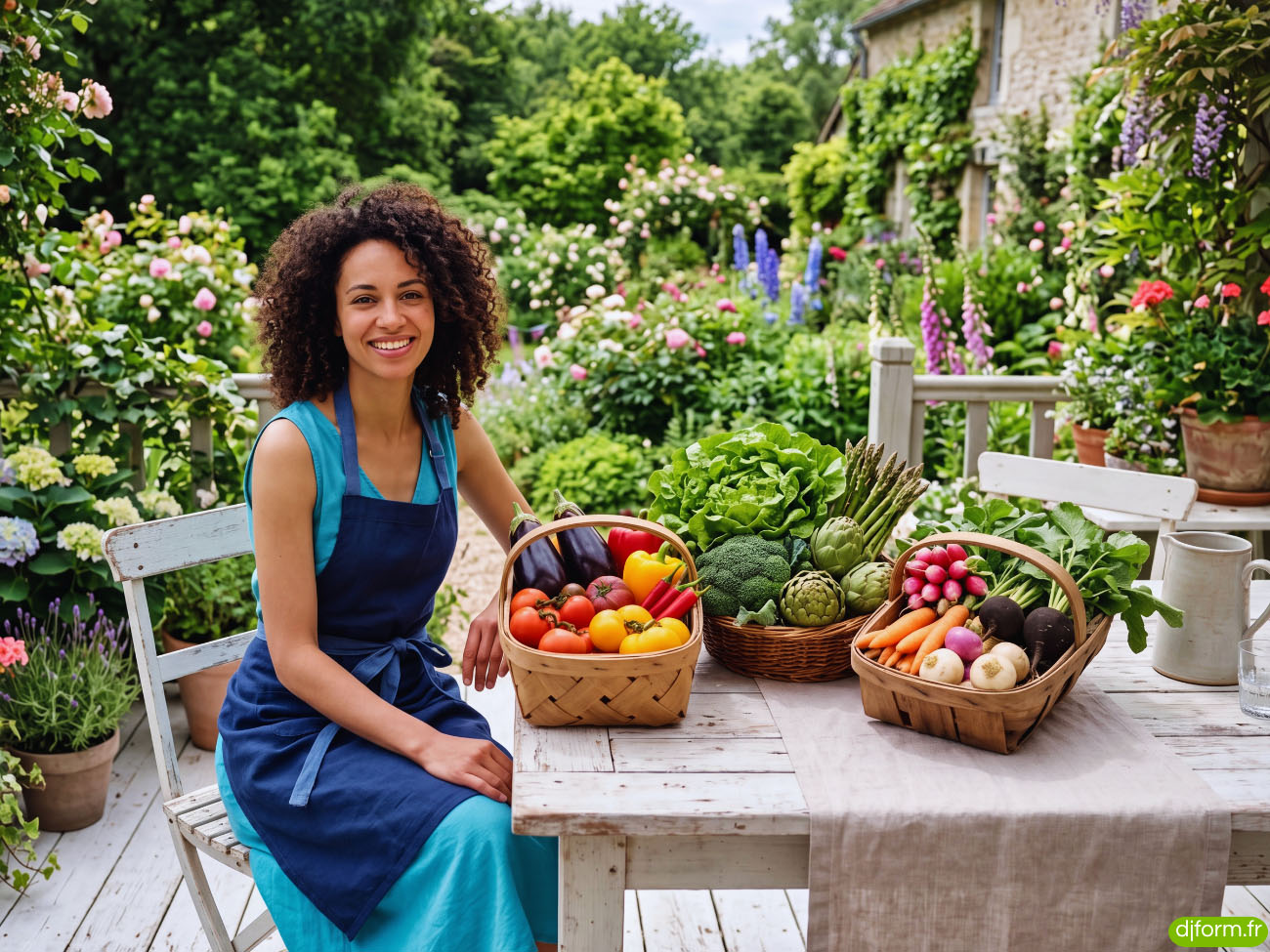
In response to this reality, diversified market-gardening models inspired by traditional practices are coming back to life. These approaches encourage local, seasonal production, offering heirloom vegetable varieties that are more flavorful, more nutritious, and gentler on the Earth. The best way to rediscover this diversity is to buy directly from growers, at farmers’ markets, or through food co-ops, avoiding the standardized vegetables sold in big-box supermarkets. Each season brings its own variety of vegetables that can be prepared however you like: raw or in salads, steamed or sautéed, in soups or velvety purées.

Les ancêtres des légumes au temps des chasseurs cueilleurs

The Ancestors of Vegetables in Hunter-Gatherer Times

La sédentarisation et les premiers légumes

Sedentarization and the First Vegetables

L’ère moderne et industrielle des légumes

The Modern and Industrial Era of Vegetables

Légumes et écologie - Partie 1

Vegetables and Ecology – Part 1

Tags:

Balanced Diet

More articles

Quand consommer des fruits ?
Previous

When Should You Eat Fruit?

Les ancêtres des légumes au temps des chasseurs cueilleurs
Next

The Ancestors of Vegetables in Hunter-Gatherer Times

Next
Les ancêtres des légumes au temps des chasseurs cueilleurs
27 November 2026

The Ancestors of Vegetables in Hunter-Gatherer Times

Previous
21 August 2026

When Should You Eat Fruit?

Quand consommer des fruits ?

No Comment! Be the first one.

Leave a Reply Cancel reply

Your email address will not be published. Required fields are marked *

DJFORM natural food supplements banner
  • About Us

Copyright © 2026 DJFORM

  • Home
  • Nutrition: Our Advice
    • Nutritional Principles
    • Processed Foods
    • Organic Food
    • Nutritional Balance
  • Seasonal Supplement Courses
    • Spring Supplement Courses
    • Summer Supplement Courses
    • Autumn Supplement Courses
    • Winter Supplement Courses
  • Our Brand
    • DJFORM Supplements
    • DJFORM Formulas
    • DJFORM Quality
    • About Us
    • Our Eco Packaging
  • Our Reading List
  • DJFORM Shop
  • Contact
