Sugar is a carbohydrate made up of two simple sugars: glucose and fructose. These two molecules bond together to form sucrose, the common table sugar we consume in our diet for its sweetness and pleasant taste.
Starchy foods, grains, and legumes contain starch, which is a chain of thousands of glucose molecules linked together. These are referred to as complex sugars or complex carbohydrates. Yet in the end, it is still glucose that enters our bloodstream during digestion.
A Bit of History… Why Do We Have an Irresistible Craving for Sugar? The Anthropological Origins of Our Innate Appetite for Sweetness
The strong human preference for sugar can be understood through an anthropological lens that takes into account our species’ evolution and historical eating behaviors. Human taste preferences for sweetness have ancestral roots tied to survival and adaptation. Humans genuinely have a pronounced liking for sugar, driven by a combination of genetic and environmental factors.Sugar was a scarce, seasonal food for our ancestors, and it has become problematic due to uninterrupted daily overconsumption all year round.
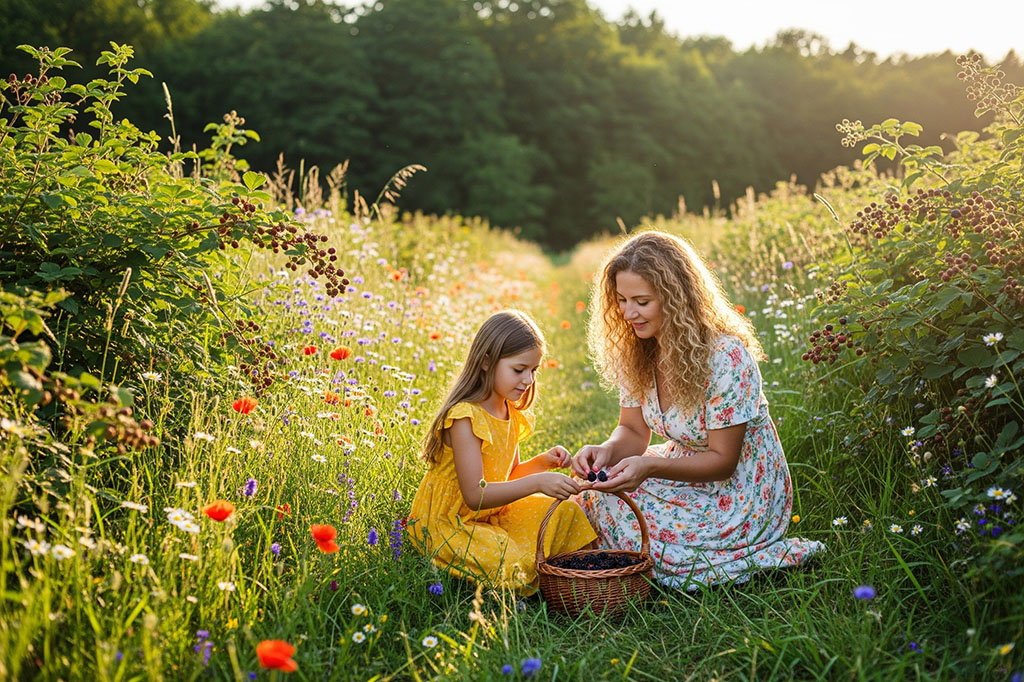
From the earliest days of humanity, humans developed an innate appetite for sweet foods. Although sources of sugar were scarce and seasonal in nature, they were valuable for storing energy in anticipation of periods of food scarcity. Even today in the wild, much like early humans, mammals and other species such as birds cannot resist the urge to eat wild berries from summer through late autumn. Wild fruits and berries offer an opportunity to build up energy reserves. Indeed, sugar is very easily stored as fat, making it an especially useful fuel for building reserves ahead of winter. We should also remember that fruits used to be scarce, their ripening window and shelf life were much shorter, their yields were lower, and competition for eating them in nature was far fiercer. Over time, humans not only learned to increase crop yields, but also relentlessly eliminated competition by destroying all other animal species (mammals, rodents, birds, insects, etc.) that might feed on their crops. Moreover, wild fruits and berries are far less sweet than the fruit varieties selectively bred over millennia and cultivated today. Modern fruits contain 3 times more sugar than their original wild ancestors. Since the early 20th century, the transformation of fruit varieties has accelerated, and fruits have lost most of their nutritional value in favor of higher sugar content, juice concentration, and mild sweetness. In fact, bitterness and tartness have completely disappeared from modern fruits. They are far easier to eat than their wild ancestors. Maximally juicy and sweet, they have essentially become candy for our taste buds.Sugar, more sugar, and ever more sugar to make them irresistible. Nothing drives consumption better: pleasure over health!
Heirloom and wild fruits were also far richer in nutrients, vitamins, and antioxidants. Today, fruits are available constantly and in huge quantities, which creates many problems, particularly through the daily overconsumption of fructose regardless of the season. Today, sources of sugar are abundant and available year-round, and humans born with this natural inclination toward sweet foods are confronted with an overabundance that reshapes everyday eating habits. Indeed, our environment strongly influences our taste for sugar. In societies saturated with processed products and advertisements for sugary foods aimed at children, kids are exposed to sweet foods from a very young age. As a result, they are far more likely to develop a strong craving for sugar, or even become completely dependent on it.Tags:
SugarMore articles
Previous
Sugar
Next
18 June 2024
Slow Sugars and Fast Sugars: What Is the Difference?
Previous
13 June 2024