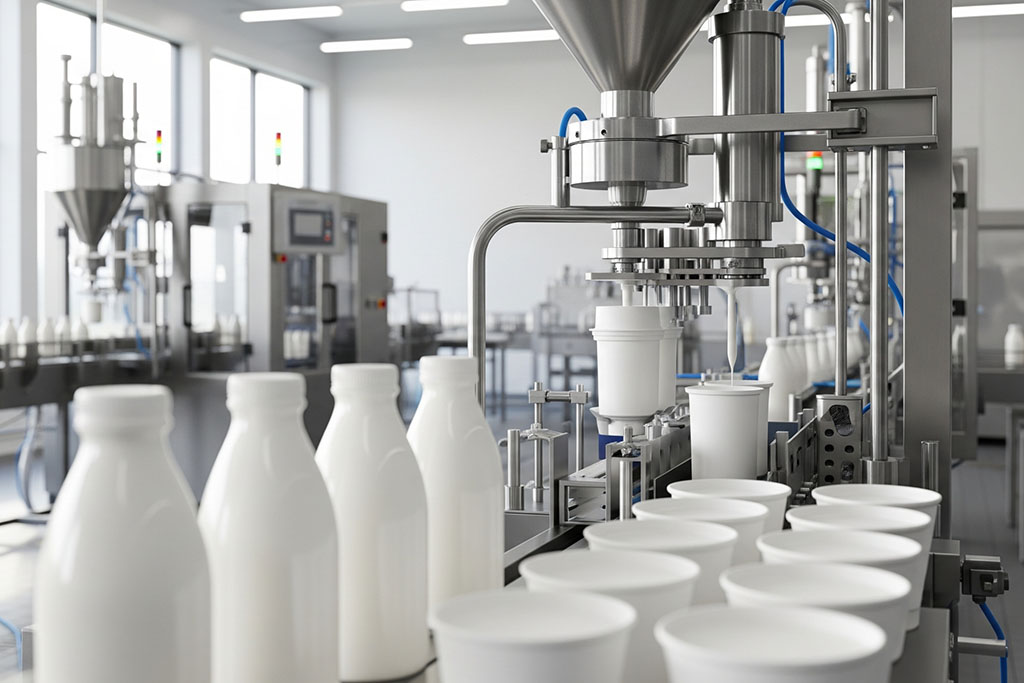
Choosing whether or not to consume dairy products is not just a matter of taste preferences or nutritional considerations. It is also an ecological and ethical choice that affects human health, animal welfare, and the future of ecosystems. Faced with the massive industrialization of dairy production, it is essential to question our habits, understand the impact of different farming methods, and adopt a more mindful approach to consumption.
Dairy Products: Non-Essential, Yet Omnipresent
Unlike meat, dairy products are not essential to human physiological balance. You can live in perfect health without consuming them, provided you follow an appropriate, nutrient-rich diet. Yet dairy products are omnipresent in our food supply: they are not only eaten on their own (yogurts, cheeses, creams…), but are also used as ingredients in countless industrial foods, both sweet and savory.
Their popularity stems from their high palatability, especially in aged cheeses, their creamy texture, and their deeply rooted place in Western culinary tradition. However, the rise of vegetarianism, often driven by ideological convictions rather than physiological reality, has the direct consequence of replacing meat with dairy products. Yet meat, when sourced from grass-fed animals, remains the only truly complete, healthy, and well-assimilated source of animal protein for the human body. Relying on dairy products to make up for the absence of meat mechanically drives up their production and consumption, with harmful effects on both human health and the environment. Unlike meat from respectful, ethical farming, dairy products are neither essential nor ecologically sustainable when consumed daily.
An Intensive System with a Heavy Ecological Footprint
Growing demand for dairy products has profoundly transformed livestock farming. Modern dairy cows are the result of decades of selective breeding aimed at pushing milk yields ever higher. As a result, some breeds now produce up to 10,000 liters of milk per year, at the cost of a sharp decline in animal health and a drop in the nutritional quality of the milk.
To sustain these yields, cows are predominantly fed grains, corn silage, or imported soy, often grown in intensive monocultures. These practices have devastating ecological consequences: deforestation, soil depletion, water pollution, greenhouse gas emissions… Moreover, most dairy cows no longer live in pastures, but are confined in barns, cut off from the natural cycle of ecosystems.
This model is not only problematic from an ecological standpoint, it is also ethically unacceptable, given how severely the animals’ living conditions have deteriorated.
Grass: A Forgotten Ecological Key
Faced with this situation, it is essential to recall a truth that is far too often overlooked: ruminants are built to eat grass, not grain. When they graze on pasture, they become part of a virtuous cycle. Their manure nourishes the soil, supports biodiversity, maintains grasslands, and even helps sequester carbon in the soil. Conversely, when fed grains, they become a link in a destructive system based on the industrialization of nature.
Returning to grass-fed farming not only produces milk of superior nutritional quality (richer in omega-3s, vitamins A and K2, and antioxidants), but also reconnects human nutrition with the health of ecosystems.
Less Dairy, Higher Quality
Although dairy products are neither essential nor a dietary priority, it is possible to take a more restrained and coherent approach: eat less, but choose better. That means:
- choosing milk and cheeses from small-scale, extensive farms where animals are 100% grass-fed and raised outdoors;
- favoring farmstead or artisanal dairy products from heritage breeds (Jersey, Tarentaise, Bretonne Pie Noir…), which are often hardier and better adapted to grazing;
- opting for raw (unsterilized) milk over UHT milk, as it retains more nutrients and probiotics, provided it comes from a healthy, well-managed farm;
- choosing organic milk, but only when it is guaranteed pasture-raised, because cows on intensive organic farms are also fed grains.
These informed choices help respect animal life, support small-scale producers, and limit the ecological footprint of our diet.
Toward a Simpler, Regenerative Diet
Instead of a model based on the overconsumption of milk and grains, we can promote a way of eating closer to natural balances: fewer carbohydrates, more seasonal vegetables from small market gardens, more healthy fats, and meat from grass-fed animals. Inspired by living ecosystems, this model is not only gentler on the planet, but also far more nourishing for the human body.
Unlike soil-depleting grain monocultures, natural pastures and diversified vegetable gardens are reservoirs of life. They shelter insects, birds, and soil microorganisms, and actively contribute to ecosystem regeneration. Returning to this model is a holistic choice, for both human health and the health of the Earth.
Conclusion
Choosing your dairy products with discernment means acting at the crossroads of ecology, ethics, and health. It means stepping away from daily, automatic consumption and opting instead for occasional, thoughtful, quality-driven enjoyment. Because as long as demand remains massive, industrial logic will prevail, to the detriment of animals, landscapes, soils, and our own health.