• FrançaisFR
  • EnglishEN
  • DeutschDE
DJFORM Information Blog

Type and hit Enter to search

  • Home
  • Our Supplement Courses
    • Seasonal Supplement Courses
      • Spring Supplement Courses
      • Summer Supplement Courses
      • Autumn Supplement Courses
      • Winter Supplement Courses
    • Supplement Courses for Nutritional Deficiencies
  • Nutrition
    • Our Nutritional Principles
    • Processed and Industrial Foods
    • Organic vs. Conventional Food
    • Nutritional Balance
  • Our Brand
    • DJFORM Food Supplements
    • DJFORM Food Supplement Formulas
    • Capsule Quality and Selection
    • Our Story
    • Our Packaging: Ecology & Recycling…
  • Our Reading List
  • DJFORM Shop
  • Contact
Le bœuf, un aliment santé complet
Animal Proteins

Beef: A Complete Health Food

8 September 2025
1 Views
0 Comments

Beef: A Nutrient-Dense, Complete, and Essential Food for Human Nutrition

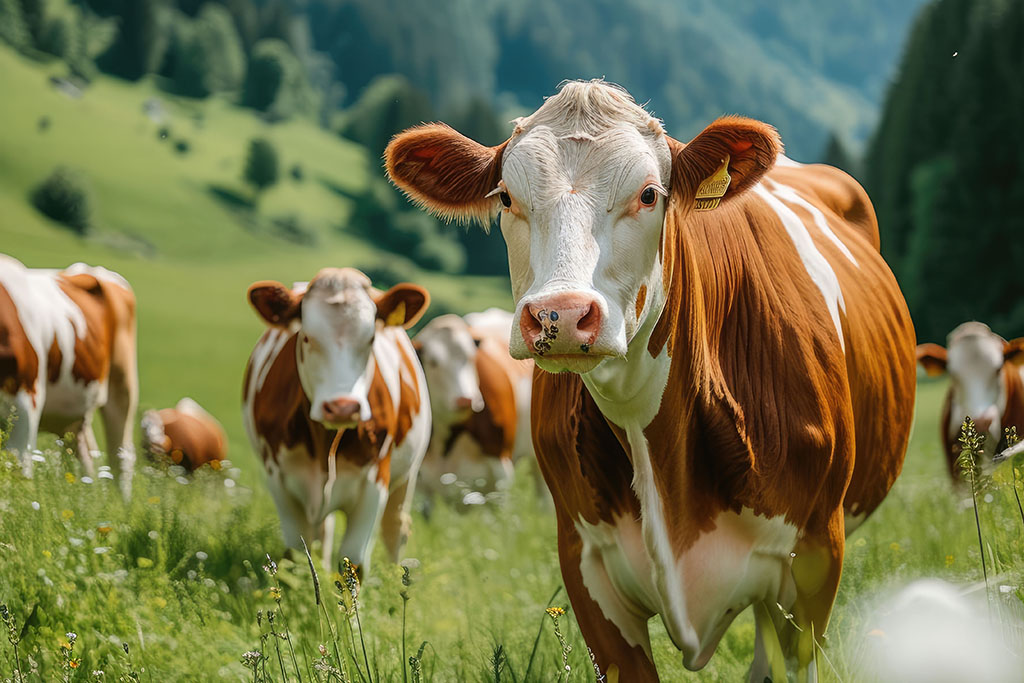
For thousands of years, beef has stood at the heart of the human diet. Its nutritional richness and density make it an essential pillar, far beyond its simple role as a source of protein. When this meat comes from grass-fed cattle raised in natural conditions, it becomes a concentrate of vitality that precisely meets human physiological needs. Its composition, in both macronutrients and micronutrients, is remarkably well suited to the complexity of human metabolism.

A Glimpse Into Deep History: From Aurochs to Modern Cattle

The beef we eat today descends from an animal that was both powerful and foundational in human history: the aurochs (Bos primigenius). Found across Eurasia and North Africa, this large wild bovine, far more massive and robust than today’s cattle, was for hundreds of thousands of years a pillar of subsistence for hunter-gatherers, first for various hominid species and then for Homo sapiens starting around 300,000 years ago.

Hunted for 1.5 million years, initially by Homo erectus, the aurochs represented a vital resource. Its meat and fat provided crucial energy. Its hide offered protection from the cold. Its bones were used to make tools and weapons. Its sheer size made it particularly valuable game, especially for surviving cold seasons.

This close and enduring bond between humans and this animal led to its domestication around 10,000 years ago, during the Neolithic period, giving rise to the domestic cattle we know today.

The aurochs provided a complete and invaluable source of nutrition: it supplied top-quality protein, its organs were rich in vitamins, and its abundant, highly prized fat delivered essential caloric energy, especially for enduring cold months and winter scarcity. Unlike leaner game, it offered a dense, complete nutritional intake indispensable for survival in temperate and northern climates.

Yet its usefulness went far beyond food. Aurochs hide was used to make clothing, tents, and containers; its bones, sinews, and horns became tools, weapons, or ornaments. On its own, it represented an entire ecosystem of resources, allowing prehistoric humans to feed, protect, clothe, and even treat themselves.

This vital role largely explains why the aurochs was one of the first large mammals to be domesticated, around 10,000 years ago at the dawn of the Neolithic era. From this domestication came modern cattle, which have accompanied every human civilization, from the earliest farming villages to great pastoral societies.

By eating grass-fed beef today, rich in healthy fats and micronutrients, we reconnect with this ancient heritage, honoring the nutritional intelligence that nature has placed at our disposal for millions of years.

Complete, Highly Digestible Protein – The Foundation of Muscular and Cellular Nutrition

The protein found in beef is described as complete because it supplies all the essential amino acids that the body cannot synthesize on its own. These essential amino acids are required to build structural proteins (muscles, tendons, skin), enzymes, neurotransmitters, and hormones. Their immediate availability is a major nutritional advantage that cannot be replaced by plants, and particularly not by plant proteins.

The biological value of beef protein is exceptionally high, meaning the body uses it efficiently, limiting nitrogen losses and reducing metabolic strain on the kidneys. Compared with other protein sources, especially plant-based ones, beef requires less digestive and metabolic energy to be broken down into usable amino acids.

A Spectrum of Essential Micronutrients for Health and Longevity

Beyond its protein richness, beef is a major source of essential nutrients that are often absent or poorly bioavailable in an overly plant-heavy, high-carbohydrate diet:

  • Heme iron, the most absorbable form of iron, is vital for hemoglobin production and oxygen transport to every tissue. Iron deficiency is one of the most common causes of anemia worldwide, and eating beef helps prevent and correct this deficiency effectively.
  • Zinc, a trace mineral crucial for the immune system, wound healing, protein synthesis, and cognitive function, is supplied in significant amounts. Its absorption is also optimized within the matrix of meat, thanks to its highly bioavailable form.
  • Vitamin B12, found exclusively in animal-source foods, plays a central role in neurological health, red blood cell formation, and DNA metabolism. Its absence causes severe, sometimes irreversible disorders, particularly affecting the nervous system.
  • Vitamins B2, B3, B5, and B6 support energy production, detoxification, nervous system regulation, and neurotransmitter synthesis.
  • Choline, present in notable quantities in beef, is essential for building cell membranes, supporting liver function, and maintaining memory.
  • Minerals such as phosphorus, magnesium, and potassium contribute to electrolyte balance, bone health, and muscle contraction.

Grass-Fed Beef Fat: An Ideal and Healthy Lipid Source

Demonized ever since Ancel Keys’s lipid hypothesis, which drew a flawed link between animal fats and cardiovascular disease by manipulating data and relying on confirmation bias, beef fat deserves to be re-evaluated. This hypothesis rested on a selective choice of studies, overlooking critical factors such as overall dietary context and the quality of the fats consumed. Although widely challenged today, it was nevertheless exploited by the food industry to promote the consumption of often heavily processed, less healthy vegetable oils, leaving a lasting mark on physicians and official nutritional guidelines. Yet beef fat should once again hold a key place in the diet, provided its quality is beyond reproach. Indeed, its lipid profile depends heavily on what the animals are fed.

In grass-fed cattle, the fat exhibits a lipid profile that is particularly beneficial for health. It consists primarily of saturated and monounsaturated fatty acids, with a smaller proportion of polyunsaturated fatty acids.

Saturated fatty acids account for roughly 40% to just under 50% of the total fat in beef. Contrary to popular belief, beef fat, particularly when it comes from grass-fed animals, is not problematic for blood cholesterol. In fact, it plays an important role in cell membrane stability and hormone synthesis, thereby supporting proper bodily function.

Monounsaturated fatty acids, mainly oleic acid (the same fat found in olive oil), also make up around 40% to just under 50% of beef fat. These fats are well recognized for their cardiovascular benefits.

The proportion of polyunsaturated fatty acids is low (around 2% to 5%), but when cattle are grass-fed, the omega-3 ratio is significantly better, particularly alpha-linolenic acid (ALA), a precursor to EPA and DHA that supports brain and cardiovascular health.

Another key component is CLA (conjugated linoleic acid), whose concentration is higher in the fat of grass-fed cattle. CLA is recognized for its anti-inflammatory, anticancer, and anti-obesity properties.

Finally, this fat also contains fat-soluble vitamins (A, D, E, and K), which are essential for immune system regulation, bone health, and antioxidant protection, and are found in higher concentrations in grass-fed animals.

This balanced composition, rich in stable and beneficial fatty acids, makes grass-fed beef fat a valuable nutritional asset, provided farming practices are of impeccable quality.

Saturated fats are also a stable fuel source, far less prone to oxidation during cooking than polyunsaturated vegetable oils. Moreover, an adequate intake of animal-derived saturated fats does not lead to an increase in cardiovascular disease, as confirmed by several recent studies challenging conventional nutritional models.

An analysis of the most recent studies on the relationship between saturated fatty acid (SFA) intake and cardiovascular risk demonstrated that, contrary to the so-called "diet-heart" hypothesis that has long dominated nutritional guidelines, no significant association was found between SFA intake and the risk of coronary heart disease, myocardial infarction, or cardiovascular mortality. The authors conclude that current scientific evidence no longer justifies recommending a reduction in SFAs to prevent cardiovascular events. They emphasize the importance of considering the overall food matrix, rather than an isolated nutrient, when evaluating health effects.

Valk R, Hammill J, Grip J. "Saturated fat: villain and bogeyman in the development of cardiovascular disease?" European Journal of Preventive Cardiology, 2022.

Impact on Overall Health and Disease Prevention

Regular consumption of high-quality beef is associated with better maintenance of muscle mass, optimized energy metabolism, and a stronger immune response. Iron and vitamin B12 reduce the risk of anemia and chronic fatigue. Zinc and vitamin A bolster defenses against infections. The presence of omega-3 fatty acids and CLA helps counter chronic inflammatory processes linked to many modern diseases (diabetes, cardiovascular disorders, neurodegenerative diseases).

In at-risk populations (older adults, athletes, pregnant women), beef not only nourishes the body but also supports cognitive performance, tissue repair, and the prevention of nutritional deficiencies.

Beef From an Anthropological and Evolutionary Perspective

Human beings evolved by consuming primarily animal protein, particularly from ruminants. These nutrient-dense foods contributed to rapid brain growth, the increasing complexity of the nervous system, and the development of culture. Their richness in energy, protein, and micronutrients provided a major evolutionary advantage, especially across the most diverse environments.

Traditional livestock farming, by relying primarily on pasture grass, respects this original model and ensures a nutritional profile close to the one for which our bodies are optimized.

Conclusion

Grass-fed beef is far more than just a source of protein. It represents a natural, complex concentrate of essential nutrients, combining high-quality protein, heme iron, B vitamins, zinc, choline, and a functional fat rich in beneficial fatty acids. Consumed as part of a balanced diet, it supports muscular, cognitive, immune, and metabolic health while aligning with a long evolutionary heritage.

Giving this meat a central place on our plates, by choosing farms that respect animal welfare and the environment, means returning to a nutrient-dense, authentic diet tailored to our body’s deepest needs.

Tags:

Animal Proteins

More articles

Les ruminants - Boeuf, Mouton, Chèvre
Previous

Ruminants – Beef, Mutton, and Goat

Le Porc
Next

Pork

Next
Le Porc
10 September 2025

Pork

Previous
5 September 2025

Ruminants – Beef, Mutton, and Goat

Les ruminants - Boeuf, Mouton, Chèvre

No Comment! Be the first one.

Leave a Reply Cancel reply

Your email address will not be published. Required fields are marked *

DJFORM natural food supplements banner
  • About Us

Copyright © 2026 DJFORM

  • Home
  • Nutrition: Our Advice
    • Nutritional Principles
    • Processed Foods
    • Organic Food
    • Nutritional Balance
  • Seasonal Supplement Courses
    • Spring Supplement Courses
    • Summer Supplement Courses
    • Autumn Supplement Courses
    • Winter Supplement Courses
  • Our Brand
    • DJFORM Supplements
    • DJFORM Formulas
    • DJFORM Quality
    • About Us
    • Our Eco Packaging
  • Our Reading List
  • DJFORM Shop
  • Contact