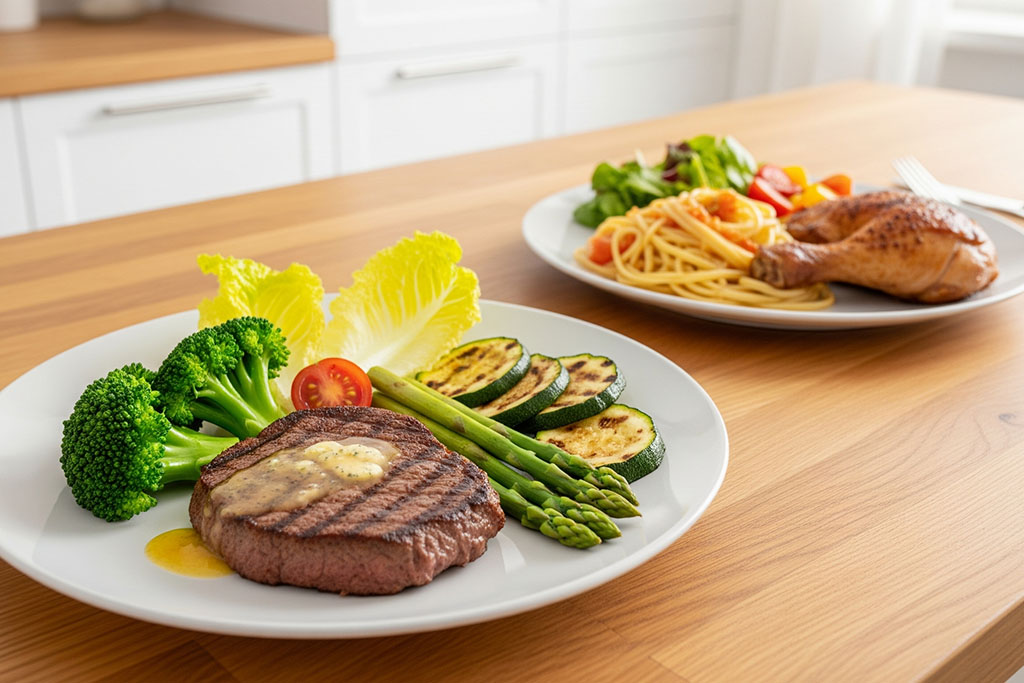
Grains hold a central place in modern dietary guidelines, particularly through the promotion of “starchy foods at every meal” or “whole grains for lasting energy.” Wheat, rice, oats, corn, and rye are therefore viewed as dietary staples. Yet this perception deserves to be reconsidered in light of contemporary knowledge about metabolism, inflammation, and the true physiological needs of the human body.
Far from being essential, grains can actually become problematic when they take up too much room in the diet. It is not only possible, but often preferable, to reduce them significantly or even eliminate them altogether, as part of an approach aimed at lowering carbohydrate intake, stabilizing blood sugar, and nourishing the body with foods that are richer in micronutrients, better aligned with our physiology, and less prone to overconsumption.
A Problematic Source of Energy
Grains are praised first and foremost for their high content of complex carbohydrates. These are supposed to deliver “slow-release,” steady energy thanks to gradual digestion. This idea relies largely on the “slow carbs” theory, which remains widespread today even though it rests on shaky scientific foundations.
In reality, even so-called complex carbohydrates (starch) are broken down into glucose during digestion. This glucose is rapidly absorbed into the bloodstream, triggering a strong insulin response. Yet glucose is an oxidative and inflammatory fuel. When supplied in excess, which is very common in grain-heavy diets, the body is forced to store much of it as fat, mainly in the liver, muscles, and adipose tissue.
Over time, this pattern of glycemic overload promotes weight gain, increased insulin resistance, metabolic disorders (prediabetes, type 2 diabetes), and chronic inflammation. Moreover, contrary to popular belief, the body does not rely on glucose as its sole fuel source.
When carbohydrate intake is reduced, the body can generate energy from fats by producing ketone bodies. Ketones provide a steady, clean, non-inflammatory fuel that is especially valuable for the brain, which can run on more than 80% ketones when they are available. The modest amount of glucose the body needs to function can easily be supplied by other dietary sources, while the bulk of our fuel comes from the fat reserves our body stores so readily.
An Overrated Nutritional Value
Whole grains are frequently defended for their fiber, B vitamins, minerals, and antioxidants, concentrated primarily in the outer bran and the germ. They are credited with numerous benefits: better satiety, regular bowel transit, gut microbiome support, and the prevention of cardiovascular disease, type 2 diabetes, and digestive cancers.
Yet these benefits are far from unique to grains. They are not only matched, but vastly surpassed, by a diet rich in fresh seasonal vegetables and low-sugar berries (wild berries, red and dark berries, and more). Naturally low in sugar, these foods are extraordinarily dense in bioavailable micronutrients: vitamins, antioxidants, polyphenols, enzymes, and minerals, without the drawbacks of concentrated carbohydrates.
The diverse, soluble plant fibers found in vegetables fulfill all the digestive roles attributed to grain fiber without triggering intestinal inflammation. Furthermore, a wide range of leafy greens, root vegetables, and fruiting vegetables provide every essential micronutrient, often in more easily absorbed forms.
Grains: Seeds Built to Defend Themselves
It is worth recalling a basic biological fact: grains are seeds, structures designed to ensure the plant’s reproduction. For that reason, they contain natural defense compounds, namely antinutrients such as phytates, lectins, saponins, and enzyme inhibitors. Their purpose is to make the seed hard to digest so that it is not destroyed by animals.
In humans, these compounds interfere with mineral absorption, irritate the intestinal lining, and can contribute to increased intestinal permeability, a process linked to many chronic, inflammatory, and autoimmune conditions. Even whole grains, often perceived as healthier, pose this very problem, and sometimes even more so, because antinutrients are concentrated in the outer layer of the grain.
A Highly Addictive and Calorie-Dense Food
Grains, especially in processed forms (bread, pasta, cookies, sugary breakfast cereals, pastries, pizza, and the like), are remarkably easy to overeat. Their mild or sweet taste, soft or crunchy texture, and high glycemic index make them highly addictive. They frequently trigger a dopamine response similar to that of simple sugars and encourage disordered eating behaviors such as constant snacking or binge eating.
Vegetables, by contrast, even those higher in natural carbohydrates, do not provoke the same excess. Their moderate energy density, high fiber and water content, and complex flavor profiles (more bitter and herbaceous notes) naturally curb overeating. They provide far better regulation of hunger and satiety signals.
Healthy, Complete, and Sustainable Alternatives
A low-grain, or even grain-free, diet can be completely balanced as long as it provides a wide enough variety of nutrient-dense foods. This approach rests on three fundamental pillars:
- A wide variety of seasonal vegetables, both raw and cooked, including roots, leaves, stalks, and fruiting vegetables;
- Low-sugar berries rich in antioxidants (blueberries, blackberries, raspberries, blackcurrants, etc.);
- High-quality animal protein sources: meat, eggs, fish, and organ meats.
Alongside these come healthy fats, which are essential for proper cellular, hormonal, and brain function.
Focus primarily on:
- Natural animal fats, such as beef tallow, grass-fed butter, or duck fat;
- Omega-3-rich oils, particularly high-quality fish oils;
- Extra-virgin olive oil, which remains stable during cooking.
Nuts, seeds, and legumes, often recommended as plant-based alternatives, should be approached with caution. They too are seeds loaded with antinutrients and sometimes problematic fatty acids. They can be hard to digest and only partially absorbed, so their intake should remain moderate.
Conclusion: Grains Are Far From Essential
There is no biological or nutritional requirement to eat grains. While they may be tolerated in moderation or on occasion, depending in particular on physical activity levels, they should no longer occupy the foundational place they currently hold in the diet. Their daily consumption is greatly overrated, both in terms of actual nutritional contribution and safety.
A diet rich in vegetables, berries, animal proteins, and healthy fats covers all of the body’s needs for energy, nutrients, and fiber. It respects metabolic balance far better, lowers inflammatory risk, and protects health over the long term.
Reassessing the role of grains is therefore not a dietary fad, but a return to common sense and a vision that better respects our physiology.