• FrançaisFR
  • EnglishEN
  • DeutschDE
DJFORM Information Blog

Type and hit Enter to search

  • Home
  • Our Supplement Courses
    • Seasonal Supplement Courses
      • Spring Supplement Courses
      • Summer Supplement Courses
      • Autumn Supplement Courses
      • Winter Supplement Courses
    • Supplement Courses for Nutritional Deficiencies
  • Nutrition
    • Our Nutritional Principles
    • Processed and Industrial Foods
    • Organic vs. Conventional Food
    • Nutritional Balance
  • Our Brand
    • DJFORM Food Supplements
    • DJFORM Food Supplement Formulas
    • Capsule Quality and Selection
    • Our Story
    • Our Packaging: Ecology & Recycling…
  • Our Reading List
  • DJFORM Shop
  • Contact
Organic vs. Conventional Food

Toward More Responsible and Eco-Friendly Consumption

20 December 2023
2 Views
0 Comments

Choosing between organic and conventional food ultimately comes down to personal preferences and individual priorities regarding health, the environment, and animal welfare. Budget can also be a major barrier, as many organic products are expensive, especially at certain times of the year. It is therefore wise to buy fruits and vegetables in season from small local producers. It is also important to note that a balanced diet made up of whole, unprocessed foods, low in sugar and addictive foods, is more nutrient-dense, healthier, and more satiating. By contrast, addictive food, which constantly stimulates the reward system, is expensive over the long run, even though it may seem cheaper at first.

To source high-quality foods that are good for your health and for the planet, you can:

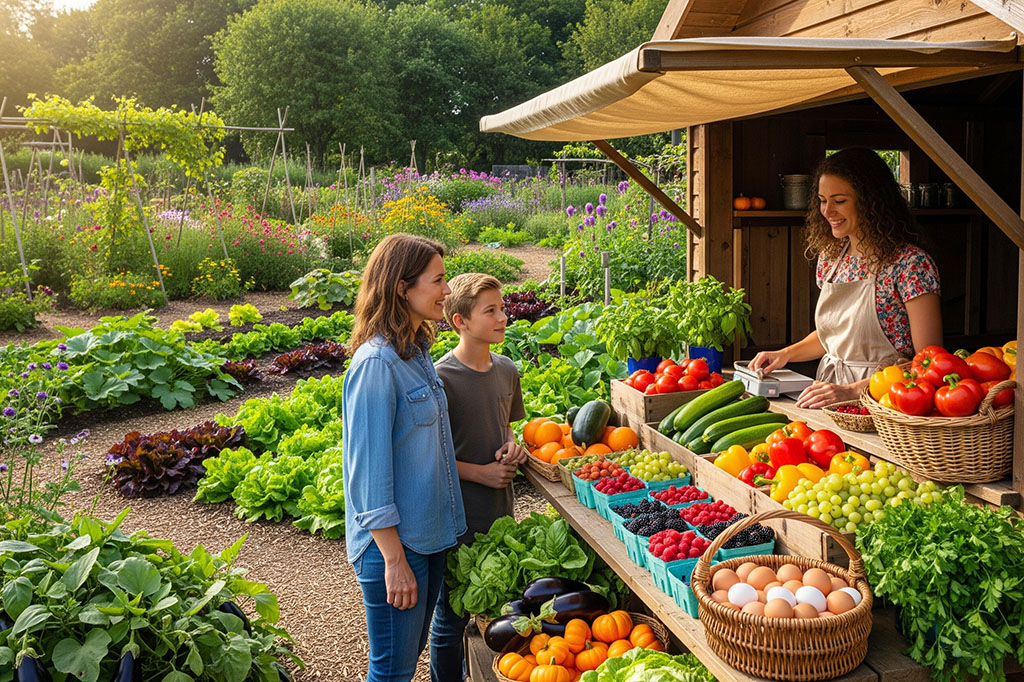
  • Whenever possible, eat foods (vegetables, meats, eggs, and to a lesser extent fruits, dairy products, etc.) from small organic growers and livestock farmers. By choosing products from small organic farms, we help increase demand for organic, local, and seasonal foods, which supports the growth of organic farming and enables a growing number of small producers to get established.

A balanced, less addictive, local, and seasonal diet, for the health of our bodies as well as our natural spaces!

  • Avoid fruits, vegetables, and grains grown intensively with chemical pesticides, fungicides, herbicides, and fertilizers. These chemical substances end up both on the outside and on the inside of the food. Unfortunately, washing them does very little, if anything at all. And even when present in minute amounts, the cocktail effect multiplies the harmful effects of these chemicals.
  • Avoid meat, dairy products, and eggs from factory farms, which still rely heavily on antibiotics and feed animals a diet that cannot produce quality meat. While eating animal protein is necessary, it is important not to exceed the amount we actually need in order to limit our ecological impact. The food industry pushes us to overconsume animal-derived products that are not directly meat, offering a multitude of savory and sweet dairy-based products as well as countless prepared meals, meat-based products, and cold cuts that could be avoided, making it possible to raise far fewer animals. With consumption tailored to each person’s needs for animal proteins and fats, factory farms with their deplorable animal living conditions would no longer be necessary, and animal products would be of higher quality. To that end, from both a nutritional and an ethical standpoint, it is important to get into the habit of eating not only our favorite cuts of meat, but also organ meats and healthy fats. This would prevent more than 30% of animal products from being wasted. A diet matched to our actual need for animal products, while sharply limiting dairy, could reduce livestock and feed-grain requirements by more than half, or even more, and free up large areas of land for biodiversity-rich pastures. Indeed, while an overly plant-based diet is unsustainable for ecosystems, as it requires ever-larger expanses of monoculture and wipes out an unimaginable amount of wildlife (loss of natural habitats, use of chemicals lethal to wildlife, etc.), a diet excessive in animal products should also be avoided.
  • Eat a wide range of foods, primarily a substantial variety of vegetables, some seasonal fruits and berries with as much variety as possible, and, depending on your needs, a diverse selection of whole grains, legumes, and nuts and seeds to meet your nutritional needs or offset potential nutrient losses.
  • Buy fruits and vegetables at peak harvest from farmers’ markets rather than supermarket shelves. In peak season, fruits and vegetables are cheaper, including those from organic or integrated farming.

Buy from small producers as much as possible so that more of them can thrive, helping us move away from the large-scale industrial farming model that has scarred our once-lush, biodiversity-rich countryside!

  • Let’s also not forget small producers who practice integrated farming by sharply reducing their use of chemical inputs. Integrated farming seeks to reconcile three goals: “securing farmers’ incomes, guaranteeing product quality, and having a positive impact on the environment.”

Tags:

Conventional FoodEcologyOrganic FoodResponsible Consumption

More articles

Previous

Soil Quality and Its Link to Food Flavor

Next

Chemical Food Additives

Next
20 December 2023

Chemical Food Additives

Previous
20 December 2023

Soil Quality and Its Link to Food Flavor
No Comment! Be the first one.

Leave a Reply Cancel reply

Your email address will not be published. Required fields are marked *

DJFORM natural food supplements banner
  • About Us

Copyright © 2026 DJFORM

  • Home
  • Nutrition: Our Advice
    • Nutritional Principles
    • Processed Foods
    • Organic Food
    • Nutritional Balance
  • Seasonal Supplement Courses
    • Spring Supplement Courses
    • Summer Supplement Courses
    • Autumn Supplement Courses
    • Winter Supplement Courses
  • Our Brand
    • DJFORM Supplements
    • DJFORM Formulas
    • DJFORM Quality
    • About Us
    • Our Eco Packaging
  • Our Reading List
  • DJFORM Shop
  • Contact